
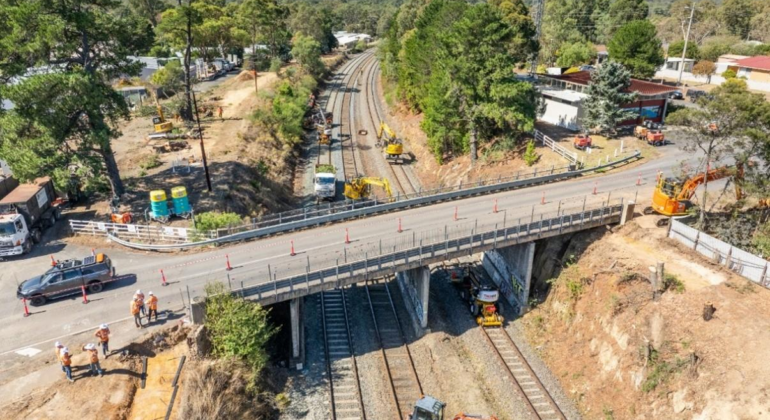
Infrastructure projects are becoming more complex. Roads, bridges, railways, and utility networks involve many teams, detailed designs, large construction areas, and long-term maintenance needs. Managing all this information can be difficult when teams work with separate drawings and disconnected data.
BIM for infrastructure projects provides a more connected way to plan, design, construct, and manage these assets. Instead of using BIM only as a 3D model, project teams can use digital information to improve coordination and understand how different infrastructure systems work together.
What Is BIM for Infrastructure Projects?
Building Information Modeling (BIM) creates a digital representation of an infrastructure project. The model can contain design information, engineering data, quantities, materials, and other project details.
For infrastructure projects, BIM can connect different elements such as roads, bridges, railway systems, drainage, and utility networks. This gives architects, engineers, contractors, and project managers a shared view of the project.
The result is better coordination between teams and clearer project information.
BIM for Road Projects
Road construction includes more than pavement. A road project may involve terrain, earthworks, drainage, intersections, bridges, street lighting, signs, and underground utilities.
With BIM for roads, teams can coordinate these elements in a digital environment. Engineers can review road alignment, terrain, drainage, and nearby services before construction starts.
This helps teams identify possible conflicts early and improve construction planning.
BIM for Bridge Projects
Bridge projects require accurate coordination between structural and civil engineering teams. Foundations, piers, beams, decks, reinforcement, and connecting infrastructure must work together correctly.
BIM for bridges allows these components to be developed in a coordinated digital model. Teams can review the structure, check connections, and identify design issues before construction.
BIM can also support quantities, construction sequencing, and project documentation.
BIM for Railway Projects
Railway projects often cover long distances and include tracks, stations, bridges, tunnels, drainage, electrical systems, and signaling.
BIM for railway projects helps different disciplines work with coordinated information. Teams can review how railway systems interact and identify potential conflicts between civil, structural, mechanical, and electrical components.
This can make planning and communication easier across large railway projects.
BIM for Utility Infrastructure
Water pipelines, drainage networks, sewage systems, electrical lines, and communication networks often run underground. Because these systems are difficult to inspect after installation, accurate planning is important.
BIM for utilities helps teams represent existing and proposed networks digitally. Engineers can coordinate utility routes with roads and other infrastructure before excavation begins.This can help reduce coordination problems and unnecessary rework.
Key Benefits of BIM in Infrastructure
BIM can support infrastructure projects from early design through construction and future maintenance.
The main benefits include:
- Better coordination between project teams
- Earlier identification of design conflicts
- Improved construction planning
- Better quantity and project information
- Easier communication between stakeholders
- More organized asset information
- Better support for maintenance and upgrades
BIM Beyond Construction
The value of BIM does not necessarily end when construction is completed. Infrastructure owners can use digital project information during operation and maintenance.
For example, information about a bridge component, railway asset, drainage system, or utility network can be stored and accessed for future inspections, repairs, replacements, and upgrades.
This makes BIM useful throughout the infrastructure project lifecycle, rather than only during design and construction.
Conclusion
BIM for infrastructure projects brings roads, bridges, railways, and utilities into a more connected digital workflow. By improving coordination, planning, project information, and asset management, BIM helps teams manage the complexity of modern infrastructure projects.
As infrastructure becomes more connected, BIM can play an important role in creating better digital workflows from design to construction and long-term asset management.

Recent Comments