Industrial Construction Management Company
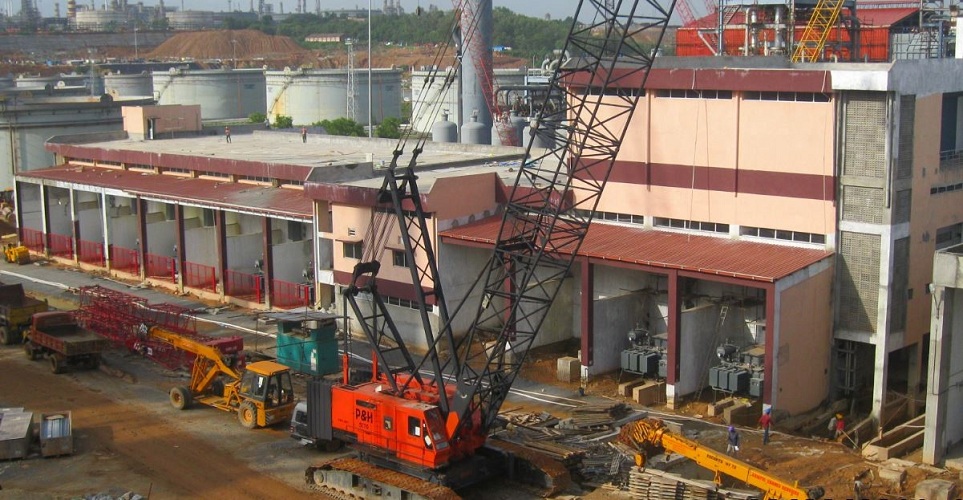
Construction Management of Industrial Projects
Driving Execution with Control and Clarity
Efficient construction management is the foundation of successful industrial project execution. It transforms engineering plans into reality by maintaining complete control over schedule, cost, and quality. Our construction management services are designed to ensure smooth coordination, safety, and productivity from site mobilization to commissioning.
We act as your on-site engineering partner — ensuring constructability, adherence to design intent, and optimization of resources throughout every phase of execution.
Key Focus Areas
Multi-Disciplinary Interface Management
Industrial projects demand tight coordination among civil, mechanical, electrical, instrumentation, and piping disciplines. Our construction managers oversee interface alignment to prevent clashes, scope gaps, and sequencing conflicts — ensuring that every discipline works in synchronization.
Vendor & Contractor Liaison
We serve as the communication bridge between the project team, vendors, and contractors. This involves tracking material deliveries, resolving site queries, coordinating approvals, and maintaining alignment between engineering and procurement to minimize downtime and rework.
Planning & Scheduling
Using advanced project control tools, we prepare and monitor detailed construction schedules, aligning manpower, materials, and machinery with project milestones. Our proactive tracking ensures that deviations are identified early, and corrective actions are implemented swiftly.
Daily Site Supervision
Our site engineers ensure real-time supervision of all ongoing activities — from excavation and concreting to equipment erection, piping, cabling, and testing. This ensures compliance with design, safety standards, and work procedures, minimizing the risk of rework or non-conformance.
Quality Control Checks
Quality is enforced at every stage through inspection test plans (ITPs), method statements, and checklists. Each work package is verified against approved drawings and specifications to ensure robust, reliable, and safe construction.
Joint Measurement Reports (JMRs)
Our teams maintain transparent and accurate documentation through joint measurement reports for all executed works. This ensures clarity in scope tracking and eliminates disputes during billing and handover.
Daily Progress Reporting (DPRs)
Daily and weekly reporting systems provide a real-time snapshot of site progress, highlighting achievements, bottlenecks, and resource utilization. This enables quick management decisions and keeps all stakeholders informed.
Contractor Bill Verification & Certification
We manage the entire billing workflow — from measurement verification to certification — ensuring all contractor invoices are checked, validated, and released transparently. This builds trust and maintains accountability throughout the project cycle.
Value Delivered
- Optimized Construction Sequencing through proper planning and supervision
- Cost & Schedule Control with predictive project monitoring
- Improved Safety & Quality Compliance through systematic checks
- Faster Project Turnaround via proactive issue resolution and decision-making
Our construction management approach combines engineering expertise with field discipline, ensuring your industrial project progresses efficiently — from foundation to mechanical completion.
Frequently Asked Questions(FAQ)
1. What is Construction Management in industrial projects?
Construction Management (CM) refers to the systematic planning, coordination, and control of construction activities from mobilization to commissioning. In industrial and refinery projects, it ensures safe, timely, and cost-effective execution of civil, mechanical, electrical, and instrumentation works.
2. Why is Construction Management important for industrial projects?
Industrial projects involve multiple disciplines, vendors, and contractors. Effective construction management ensures interface coordination, safety compliance, quality assurance, and schedule adherence, preventing delays and cost overruns while maintaining design integrity.
3. How does Construction Management differ from Project Management Consultancy (PMC)?
PMC oversees the entire project lifecycle — from design to handover — acting as the owner’s representative.
Construction Management focuses on site execution, providing hands-on control over manpower, materials, construction sequencing, and safety during the erection and commissioning phase.
4. What are the key functions of a Construction Management team?
Typical functions include:
-
Construction planning and scheduling
-
Site coordination among disciplines
-
Quality assurance and inspection
-
Safety management and toolbox talks
-
Progress monitoring and reporting
-
Material management and logistics
-
Contractor performance tracking
5. What disciplines fall under Construction Management in industrial facilities?
Comprehensive Construction Management covers:
-
Civil and structural works
-
Mechanical, piping, and static equipment erection
-
Electrical and instrumentation installation
-
HVAC, fire protection, and utility systems integration
-
Pre-commissioning and commissioning assistance
6. How does Construction Management improve project quality and safety?
A robust CM framework implements HSE plans, quality checklists, inspection test plans (ITPs), and method statements. Continuous supervision and audits ensure zero deviation from specifications and compliance with safety regulations.
7. What are the benefits of adopting a professional Construction Management approach?
Professional CM ensures:
-
Optimized resource utilization
-
Reduced rework and material wastage
-
Enhanced schedule visibility
-
Compliance with design and safety standards
-
Improved coordination among contractors
Result: A safe, high-quality, and on-time facility.
8. How does Construction Management support multi-disciplinary coordination?
Dedicated interface engineers and integrated construction schedules link civil, mechanical, electrical, and instrumentation activities. This ensures smooth handovers, clash-free construction, and synchronized progress across all disciplines.
9. What software tools are used for Construction Management and reporting?
Advanced tools include:
-
Primavera P6 / MS Project – Scheduling and progress tracking
-
Navisworks / BIM 360 – 3D coordination and clash management
-
AutoCAD, Revit, and E3D – Design review and mark-up integration
-
Digital dashboards and DMS – Real-time reporting and documentation
10. How are quality and safety audits conducted during construction?
Periodic site audits, safety inspections, NCR (Non-Conformance Reports), and QA/QC documentation form part of the quality system. Construction Management teams ensure compliance with ISO, ASME, API, and local statutory standards.
11. How does Construction Management help control project costs?
By applying earned value analysis, productivity tracking, and material reconciliation, CM teams maintain real-time control over costs and detect deviations early, ensuring financial discipline throughout the execution phase.
12. How are contractors and subcontractors managed under Construction Management?
The CM team evaluates contractor performance using KPI-based metrics, conducts coordination meetings, reviews progress against schedules, and enforces quality and safety compliance, ensuring accountability at every stage.
13. What is the role of Construction Management in commissioning and handover?
CM ensures proper pre-commissioning checks, loop testing, mechanical completion certificates, and handover documentation. This guarantees that systems are safe, verified, and ready for start-up as per design intent.
14. Is Construction Management applicable for brownfield or revamp projects?
Yes. CM is equally crucial in revamp, retrofit, and shutdown projects, where space, access, and safety constraints demand high supervision, sequencing control, and precise coordination between old and new systems.
15. What makes an effective Construction Management partner?
An effective partner combines:
-
Strong HSE and QA/QC culture
-
Digital reporting systems
-
Experienced field supervisors and planners
-
Commitment to schedule and cost control
Such a partner ensures predictable, safe, and efficient project execution.