Project Management Consultancy (PMC) service & solution company
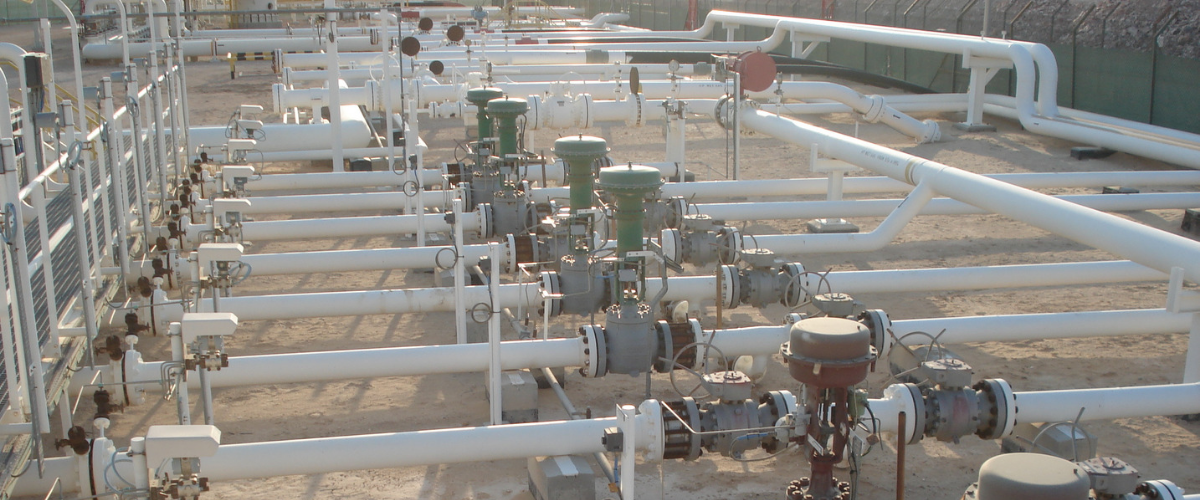
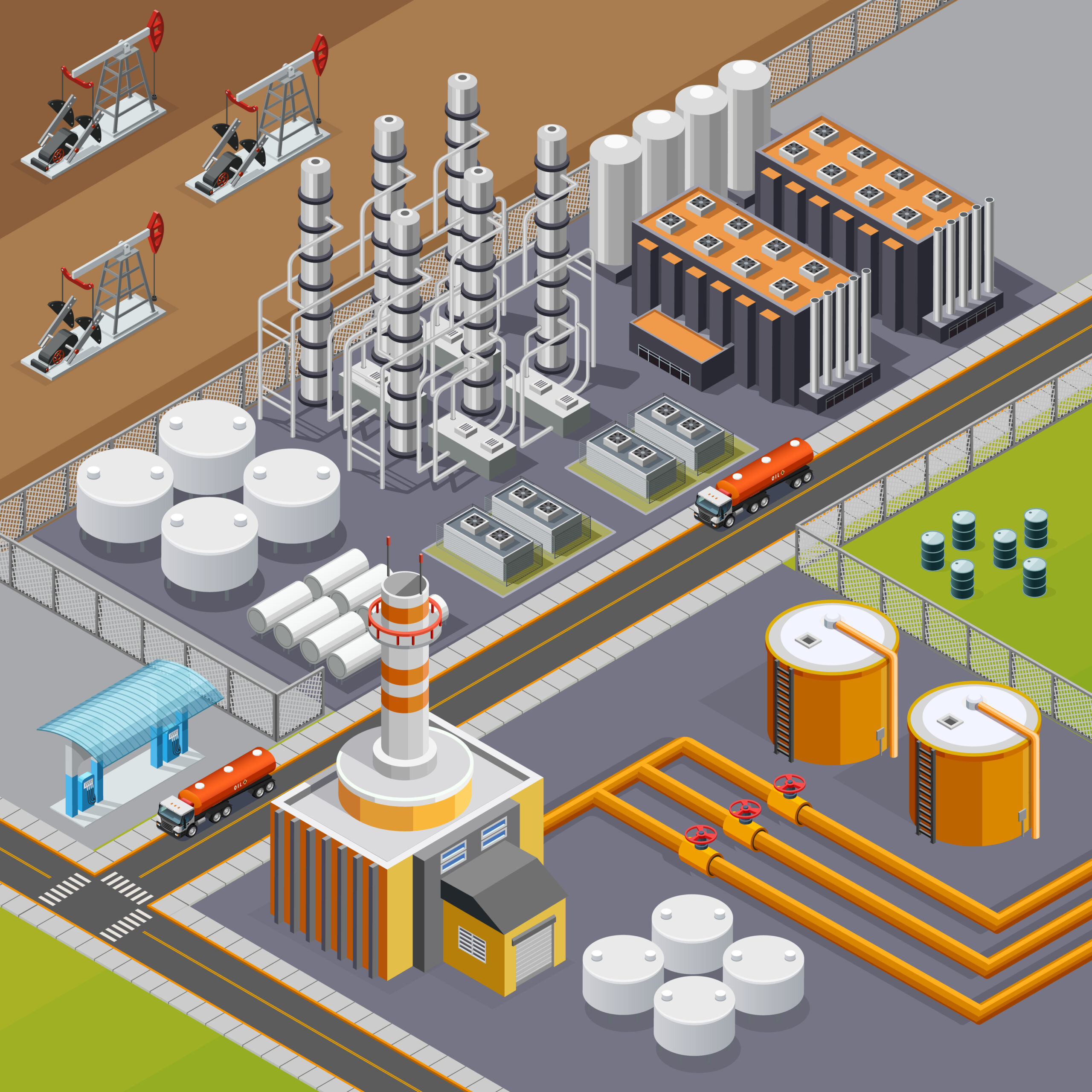
Plant Commissioning for oil and gas refinery

Project Management: Orchestrating Complex Projects with Precision

In today’s industrial environment, where projects involve multiple disciplines, vendors, and global supply chains, effective Project Management is the cornerstone of successful project delivery.
From concept to commissioning, our Project Management Services ensure each phase of the project — engineering, procurement, and construction — progresses in harmony, delivering results on time, within budget, and to the highest quality standards.

We combine technical expertise, digital tools, and management discipline to oversee every aspect of an industrial project, ensuring constructability, coordination, and execution excellence.


Our Core Services Include

Overall Project Management & Control

We provide comprehensive control over scope, time, cost, and quality, supported by structured project execution plans and transparent reporting systems.
Our team implements earned value management (EVM), risk registers, and performance dashboards to maintain full visibility and accountability at every stage.


Project Planning & Scheduling

Using advanced tools such as Primavera P6 and MS Project, we develop detailed project schedules covering engineering deliverables, procurement milestones, and construction sequences.
Critical Path Method (CPM) and resource leveling techniques help in forecasting delays and ensuring proactive mitigation to keep projects on track.


Multi-Disciplinary Interface Coordination

Industrial projects demand seamless interaction between process, mechanical, electrical, civil, instrumentation, and safety disciplines.
We act as the central coordination hub — aligning interfaces, eliminating scope overlaps, and ensuring all engineering packages integrate cohesively for clash-free and constructible outcomes.


Vendor & Contractor Liaison

From bid evaluation to final inspection, our team facilitates smooth communication between vendors, contractors, consultants, and clients.
We monitor procurement progress, expedite documentation, and ensure technical compliance for all equipment and bulk materials, reducing bottlenecks in project delivery.


Constructability & Modularization Studies

Our engineers assess constructability right from the design phase, identifying opportunities for pre-fabrication, modularization, and pre-assembly.
This reduces field work, shortens schedules, and enhances site safety — leading to optimized cost and schedule performance.


Equipment Erection Planning

We prepare detailed erection sequences and lifting studies for heavy and critical equipment.
By coordinating with vendors, civil teams, and erection contractors, we ensure safe, efficient, and interference-free installation — aligned with the overall construction plan.


Precast Philosophy Development

For industrial and infrastructure projects, precast and pre-engineered construction offers significant time and cost advantages.
We define the precast design and fabrication philosophy, standardize element designs, and coordinate early with civil and structural teams to ensure factory-controlled quality and rapid on-site assembly.


3D Model Interface Reviews

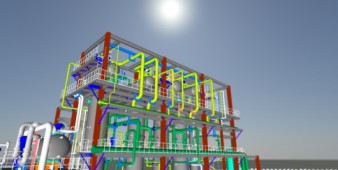
We conduct multi-discipline 3D model reviews throughout the project to validate design integrity, check interferences, and confirm alignment between structural, piping, electrical, and HVAC systems.
These model reviews directly support clash-free construction and reduced rework, ensuring design and execution remain fully synchronized.


Project Delivery Philosophy

Our Project Management approach is built on three pillars:

  1. Transparency – Through structured communication and real-time reporting.

  2. Technical Depth – With domain experts driving design coordination and problem-solving.

  3. Execution Focus – Emphasizing constructability, quality assurance, and timely delivery.

We integrate engineering, procurement, and construction into a unified framework, helping clients de-risk complex projects while achieving predictable and sustainable outcomes.


Value to Clients

  1. On-time, within-budget project delivery

  2. Reduced rework and improved coordination

  3. Early issue identification and mitigation

  4. Enhanced safety and quality performance

  5. Optimized resources and faster commissioning

With deep domain knowledge and a proactive management style, we partner with clients to accelerate delivery, ensure compliance, and achieve operational readiness with confidence.

Frequently Asked Questions(FAQ)

1. What are Project Management Consultancy (PMC) Services?

Project Management Consultancy (PMC) services involve the overall planning, coordination, monitoring, and control of a project from concept to commissioning. The PMC acts as the owner’s representative, ensuring that the project is executed on time, within budget, and to the desired quality and safety standards.

2. Why are PMC Services important for large industrial and infrastructure projects?

PMC services bring technical, managerial, and contractual expertise that help the client control risks, ensure compliance, and maintain transparency. For complex projects such as refineries, petrochemical complexes, or industrial plants, PMC ensures that engineering, procurement, and construction activities are seamlessly coordinated.

3. What is the main role of a PMC in an EPC or EPCM project?

The PMC ensures that the Engineering, Procurement, and Construction (EPC) contractor meets project objectives. Key responsibilities include:

  • Project planning and scheduling

  • Cost and progress monitoring

  • Quality assurance and technical audits

  • Safety management

  • Vendor coordination and inspection

  • Site supervision and commissioning assistance

4. How do PMC Services differ from EPC Services?

In EPC (Engineering, Procurement, and Construction) contracts, the EPC contractor executes the project under a single responsibility.
In PMC, the consultant acts on behalf of the owner, managing multiple contractors or packages, ensuring compliance with specifications, contracts, and timelines — without directly executing the construction.

5. What are the typical deliverables of a PMC during the project lifecycle?

Typical PMC deliverables include:

  • Project execution plan (PEP)

  • Schedule and cost control reports

  • Contractor and vendor evaluation reports

  • Risk register and mitigation plan

  • Quality and HSE audit reports

  • Monthly progress reports (MPRs)

  • Commissioning and handover documentation

6. How do PMC Services help in cost and time optimization?

Through continuous monitoring, progress tracking, and early risk identification, the PMC team ensures timely decision-making, reduced change orders, and efficient procurement, resulting in significant cost and schedule savings for the client.

7. What kind of projects require PMC involvement?

PMC services are essential for:

  • Refineries, petrochemical and chemical plants

  • Power plants, utilities, and water systems

  • Infrastructure and industrial parks

  • Pipeline and terminal projects

  • Revamp and brownfield projects

  • Large Residential Commercial infrastructure development projects
8. How does a PMC ensure quality and safety compliance?

PMC enforces a structured Quality Management System (QMS) and HSE Management Plan. This includes regular audits, inspections, and safety reviews such as HAZOP, SIL, and SIMOPS assessments, ensuring full compliance with international codes and client requirements.

9. What tools or software are used by PMC teams for project control?

PMC organizations use industry-proven tools for efficient project tracking:

  • Primavera P6 or MS Project for scheduling

  • SAP, ERP, or Excel-based dashboards for cost control

  • Navisworks and BIM tools for design coordination

  • Document Management Systems (DMS) for digital record control

10. How does PMC handle multi-contractor or multi-location projects?

PMC uses an integrated project management system (IPMS) to coordinate multiple contractors, packages, and locations. Centralized reporting, digital dashboards, and weekly review mechanisms ensure unified control across the project chain.

11. How does PMC ensure effective communication and reporting?

Transparent and timely reporting is ensured through:

  • Daily site logs and weekly progress summaries

  • Monthly progress reports with earned value analysis

  • Key performance indicators (KPIs) tracking

  • Regular client–contractor coordination meetings

12. What qualifications and experience should a good PMC have?

A reliable PMC should have:

  • Proven track record in refinery, petrochemical, or process industries

  • Multi-disciplinary engineering and construction experience

  • Certified project management professionals (PMP/PRINCE2)

  • Strong understanding of codes, standards, and statutory approvals

13. How does PMC support project commissioning and handover?

PMC oversees the pre-commissioning, commissioning, and performance testing phases, ensuring that systems are verified as per design intent. It also facilitates the handover documentation and training for smooth plant operations.

14. Can PMC services be customized for smaller or brownfield projects?

Yes. PMC services are flexible and can be scaled for medium or brownfield projects, focusing on specific needs like cost control, site supervision, or project scheduling.

15. What are the benefits of engaging a PMC consultant early in the project?

Early PMC involvement during FEED or Basic Engineering enables better planning, constructability review, accurate cost estimates, and smoother transition to EPC execution — saving both time and cost.